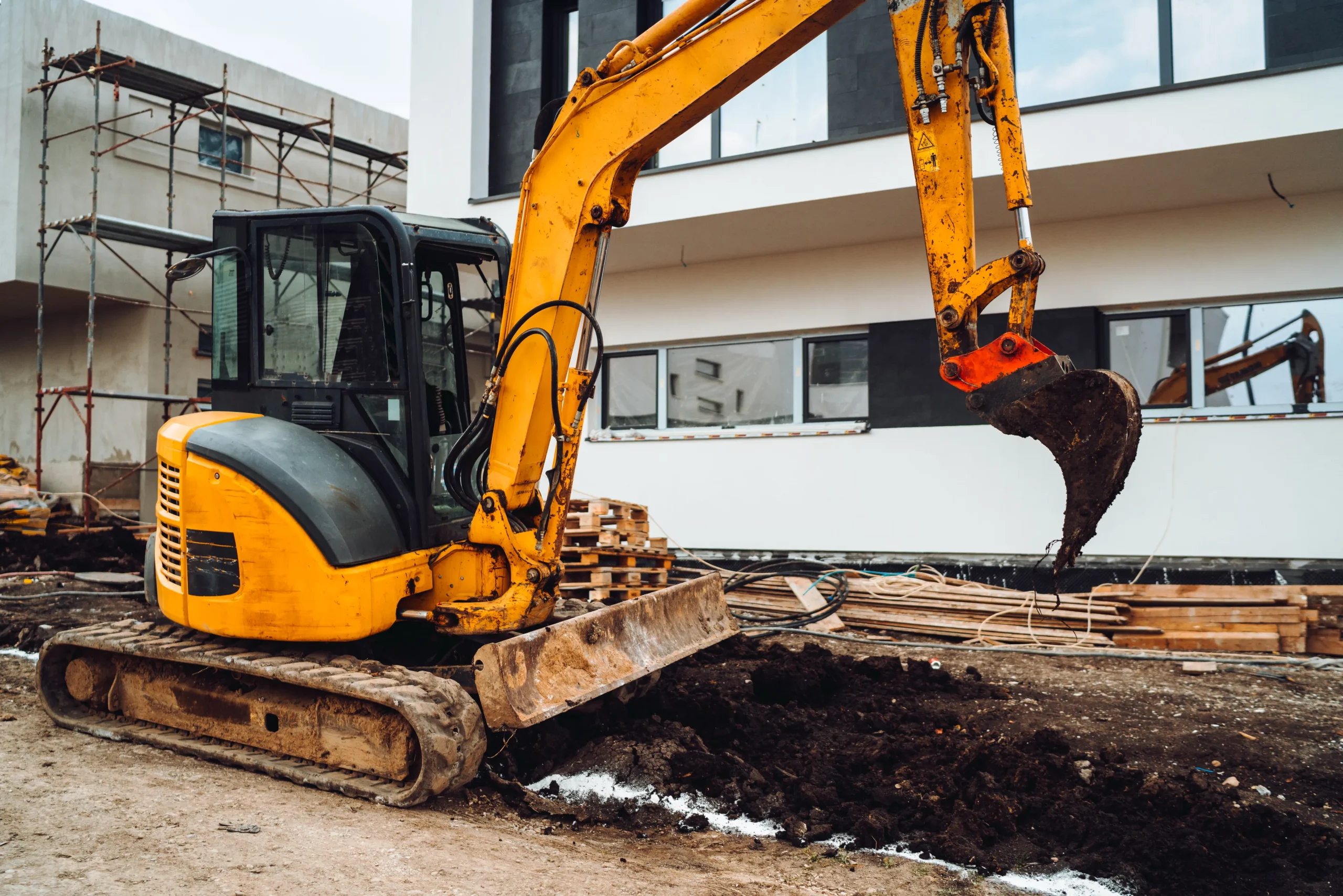
Excavation Services for Groundwork Your Project Needs
Prepare the Ground for What You’re Ready to Build
The next part of your project needs room to take shape. Soil may have to be dug out before construction or another planned improvement can move forward. Our excavation services address that groundwork, creating space within the area identified for your job.
Twin Peaks, Hauling and Excavation provides excavation for property improvements in Berthoud, CO. We focus on the digging involved, how the work area can be reached, and what the following stage requires. You receive a free estimate and a clear explanation of the proposed work before deciding to proceed.
Make Overgrown Areas Easier to Use
An excavation estimate should explain what will happen on your property. We discuss the job’s requirements and define the work around the improvement being planned. Depending on the agreed scope, that can include:
- Excavating the section identified for the project.
- Removing soil to create space for the planned work.
- Preparing the excavation area for the following stage.
- Reviewing routes into and around the work area.
- Considering existing features near the digging location.
Bring plans, measurements, or photos so we can understand the site. These details help explain the required work and provide a basis for discussing anything that still needs confirmation.
How Our Excavation Services Support Your Project
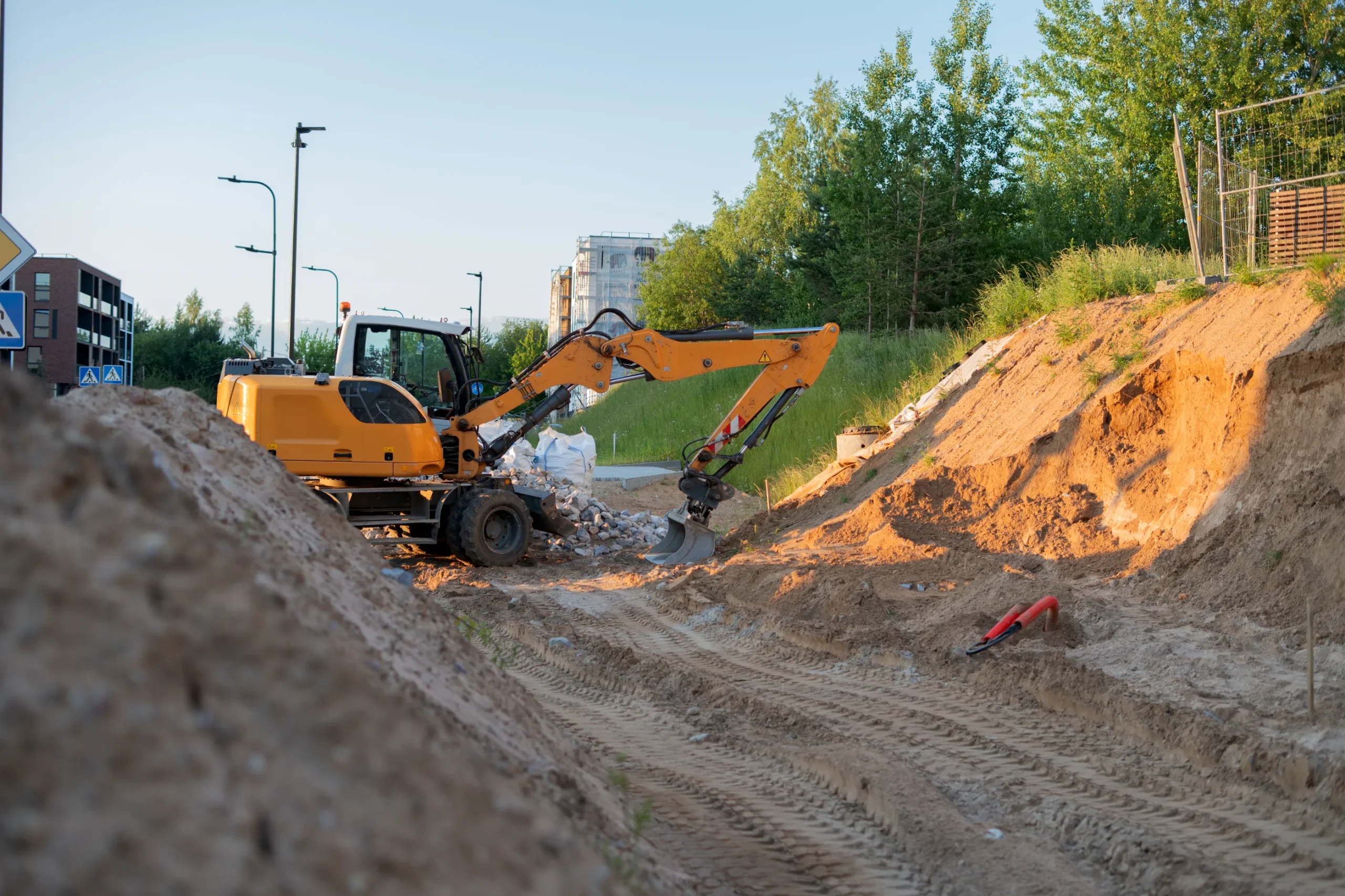
Making Space Below the Ground Surface
Even an open yard may still need excavation. The improvement may require space beneath the current surface, where soil occupies the area needed for construction or installation. Excavation removes that soil from the defined section so the next task can proceed.
Our work addresses the digging required within the agreed project area. The planned improvement determines the purpose of the excavation, rather than the site’s appearance alone. Knowing what will be built or installed helps connect soil removal to the job’s needs. For projects involving septic system installation, we can discuss the excavation needed for the planned system.
Matching the Digging to the Project Area
The location and extent of excavation affect how the improvement fits the property. A defined work area gives the digging clear limits and helps explain which part of the site will change. This matters for both the excavation and the work that follows it.
We review the project details with you to understand where excavation belongs. Share drawings or measurements that show the intended area, along with features you want considered nearby. The proposed scope should reflect that information so you understand the section being prepared and the work included.
Accounting for Access During Site Work
Excavation requires a way to reach the digging area. The approach might run beside a home, across an open section, or through a more confined space. Access and the area around the site need attention, not just the excavation itself.
Tell us about the route into the area and any obstacles along it. Photos of the approach can show details a close-up of the digging location may miss. Reviewing access early helps us better understand the property and the practical needs of the proposed work.
Getting From the Estimate to Excavation
- Identify the job: Share your property address and explain the improvement you are planning. We review the available information and discuss the excavation needed to support it.
- Confirm the details: Review the digging area, access needs, and proposed scope. Ask questions about the work and the estimate so you understand what you are agreeing to.
- Carry out the excavation: The site work follows the agreed scope, preparing the defined area for the next stage. Your plans remain the basis for the excavation being completed.
Questions Worth Settling Before Digging
Does an Open Site Still Need Excavation?
It can. A space free of brush may still contain soil where the next part of the project needs room. Clearing opens an area by addressing unwanted growth. Excavation changes the ground by digging and removing soil. The improvement you plan determines what work is needed.
What Happens to the Soil That Is Removed?
What Should Be Ready Before Work Begins?
Available plans, measurements, and access details help explain the project. An overgrown site may also need land clearing before excavation can proceed. Tell us about growth covering the area so both needs can be discussed and the order of work can be considered.
What a Prepared Work Area Gives You
Excavation provides a starting point for the next stage. Keeping the digging connected to your project helps make the groundwork useful and the proposed work easier to understand.
- Space created where the improvement requires soil removal.
- A defined area prepared for the following work.
- Access needs considered before excavation begins.
- An estimate connected to the planned digging.
- A clearer understanding of how site work supports your project.
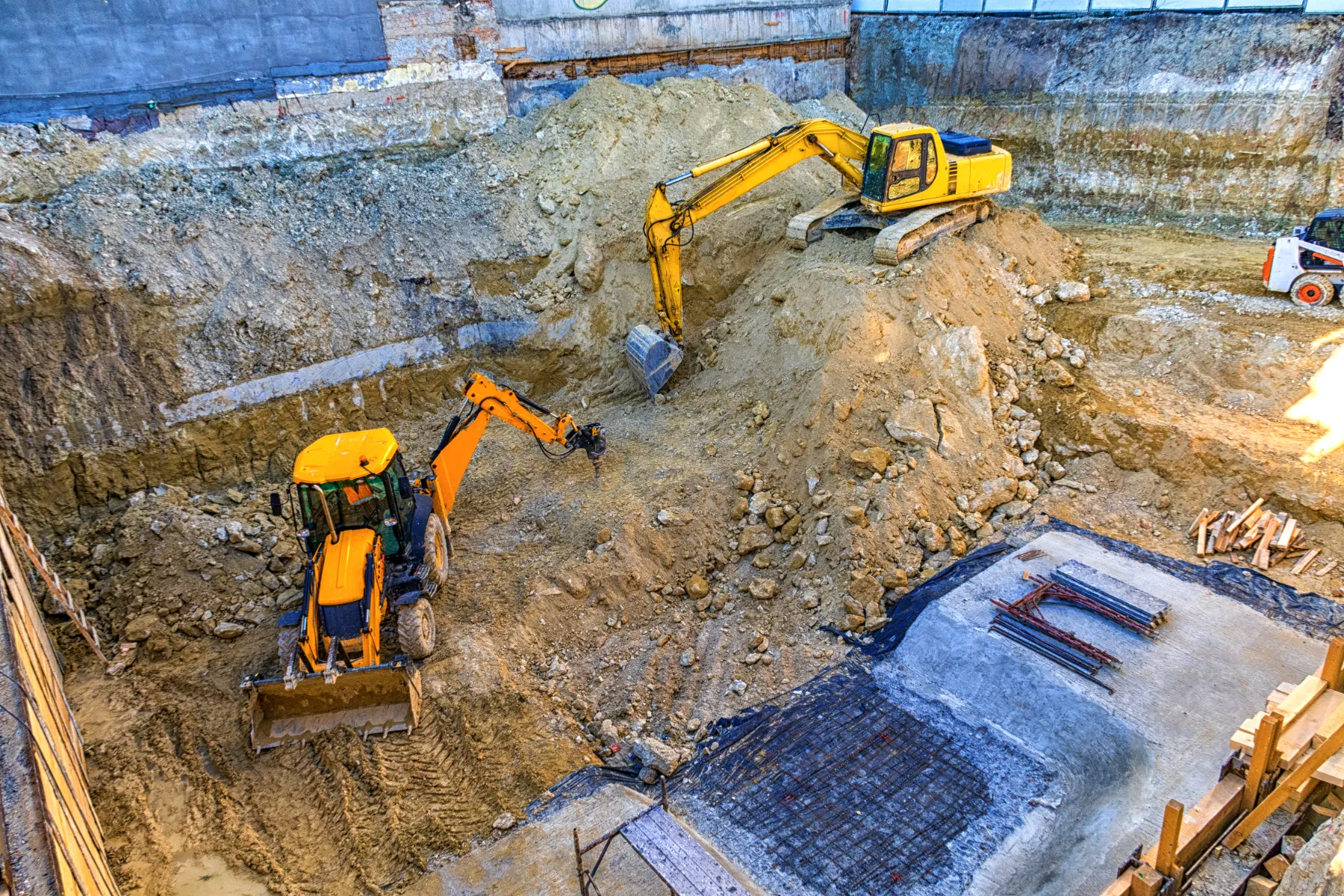
Discuss Your Excavation Project in Berthoud, CO
Bring your plans to Twin Peaks, Hauling and Excavation and tell us where the work is needed. We can discuss the site, explain the proposed excavation, and answer your questions. Request your free estimate to take the next step.