Choosing an excavation contractor starts with understanding the work your property needs. Price alone cannot tell you how much digging is included, where equipment will travel, or what happens to the removed soil. Those details matter when you compare proposals and decide who to hire.
For property owners in Berthoud, CO, the goal is to find someone who connects the excavation to the project that follows. This guide covers the questions worth asking, the information worth sharing, and the details worth checking before work begins. We believe you should understand the proposed job before committing.
Describe the Result You Need From the Excavation
Begin with what the digging needs to accomplish. A contractor needs to know more than the location of an empty patch of ground. Explain what will be built or installed there and how excavation supports that improvement.
Share available plans, photos, and measurements. Point out nearby features you want preserved and mention other work planned for the property. Missing information does not have to stop the first conversation, but it should be identified before the scope is treated as final.
Useful details include:
- The purpose of the planned improvement.
- The area where excavation is needed.
- Available drawings or project specifications.
- Existing buildings, fences, and outdoor features.
- The work scheduled after excavation.
For example, excavation for a septic project should relate to the planned component locations. A general request to “dig near the house” leaves too much open to interpretation. Clear information helps the contractor explain what the proposal covers.
Notice How the Excavation Contractor Communicates
The first conversation can tell you a lot about the working relationship. Does the contractor ask about your goals and site conditions? Do the answers address your questions? You should leave with a better understanding of the job, even when some details still need review.
Look for explanations that connect the proposed digging to your plans. A contractor may need additional drawings, measurements, or a site visit before defining the work. Explaining why that information matters is more useful than offering a quick answer based on limited details.
Ask questions such as:
- Which parts of the project need more information?
- What could affect the proposed excavation scope?
- Who will answer questions during the work?
- How will updates or changes be communicated?
You do not need to know excavation terms to have this conversation. Ask for plain explanations of anything unclear. A useful answer should help you understand a decision, a task, or a responsibility.
Review the Route Into the Work Area
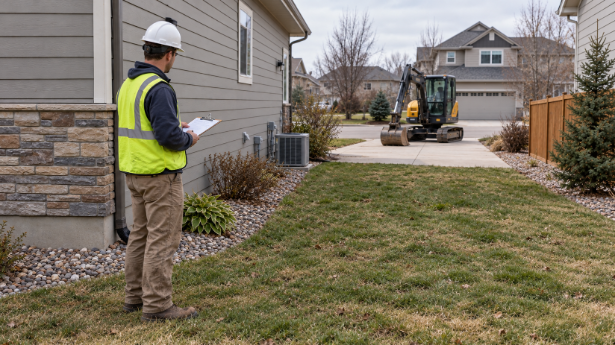
Equipment needs a suitable way to reach the digging location. A yard that looks open from one angle may have a narrow gate or a restricted passage beside the house. Access should be discussed alongside the excavation itself.
Show the contractor the full route into the proposed area. Include fences, paths, landscaping, and nearby structures in your photos. Mention shared access or other activity that could affect how the property is used during the job.
Before work begins, clarify:
- Where equipment will enter.
- Which areas will be used during excavation.
- What needs to be moved or made accessible.
- How nearby features will be considered.
- Whether access arrangements affect the estimate.
These details help define the working space. They also give you a clearer picture of which parts of the property may be involved beyond the digging location.
Compare Written Scopes Alongside the Prices
Two estimates are only easy to compare when you know what each includes. One proposal might cover excavation alone. Another might include additional material handling or preparation tasks. Different totals may reflect different jobs.
Review the work description before focusing on the price. Look for the excavation area, included tasks, exclusions, and details that still need confirmation. Broad wording such as “complete site work” should be explained so you know what it means for your property.
Check payment terms as part of that review. Ask what is due before work begins, what triggers payments, and how approved additions will be documented. Keep a copy of the accepted proposal so you can refer to it during the project.
Ask Where Excavated Soil Will Go
Digging soil out of an area does not automatically mean hauling it away. Ask whether material will remain onsite, where it would be placed, and which handling tasks are included. Stored soil may occupy space needed for access or another stage of construction.
Also clarify what condition the excavation area will be left in. Digging, backfilling, and restoring landscaping are separate tasks. Knowing which items belong in the estimate helps you plan the remaining work.
Check Experience Relevant to Your Project
Ask about completed projects that resemble the work you are considering. Similar access limits, nearby structures, or project purposes can provide useful points of comparison. Photos and references can support that discussion, but ask what work the contractor actually performed.
Request current insurance information and discuss any qualifications required for the proposed job. Clarify who will manage the work and who you should contact with concerns. These questions give you practical information to review without relying on broad claims.
When speaking with a reference, consider asking:
- Was the agreed scope clearly explained?
- Were questions and updates handled promptly?
- How were changes discussed?
- Did the completed work match the agreed tasks?
A reference cannot predict every part of your project. It can, however, help you learn about communication and follow-through on previous work.
Clarify What Must Happen Before Digging
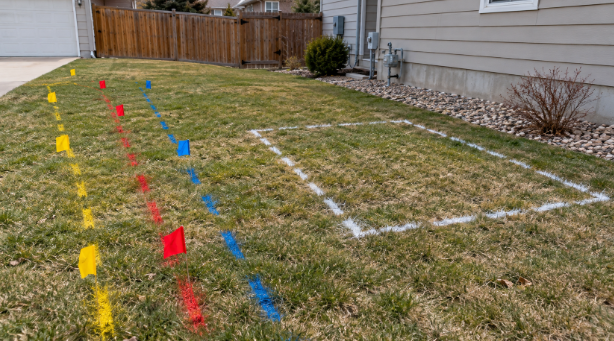
Underground utility locating belongs in the preparation discussion. Ask who will arrange the required requests, how completion will be confirmed, and whether private underground lines need separate attention. Share what you know about buried lines, but leave locating and digging decisions to qualified people.
Also discuss approvals and site readiness. Requirements depend on the proposed improvement and the authority responsible for the property. Confirm who will check those requirements and which documents or arrangements must be ready before excavation starts.
Ask about:
- Utility locating responsibilities.
- Relevant permits or approvals.
- Plans needed to define the excavation.
- Access arrangements before equipment arrives.
- Coordination with the next stage of work.
Agree on Timing and How Changes Will Be Handled
A start date should be discussed alongside the conditions needed to begin. Plans, locating, approvals, access, and weather can affect readiness. Ask how scheduling updates will be shared and how excavation fits with other work on the property.
Changes also deserve a clear process. Ask how additional tasks will be explained, priced, and approved before they proceed. Keep the latest estimate and agreed changes together so everyone is working from the same information.
Frequently Asked Questions About Excavation Contractors
Can I Ask for an Estimate Without Finished Plans?
Yes. Start with your project goals, photos, and available measurements. The contractor may need more information before defining the final scope. Ask which details are missing and how they affect the proposed work.
Is Land Clearing the Same as Excavation?
No. Land clearing addresses unwanted growth, while excavation involves digging and removing soil from a defined area. Some properties need both. Describe the current site conditions so the necessary tasks can be discussed.
Should I Choose the Lowest Estimate?
Compare the included work first. A lower price may cover fewer tasks or exclude material handling. Review scope, relevant experience, communication, and responsibilities alongside cost before deciding which proposal suits your project.
What Should I Bring to the First Conversation?
Bring the property address, a project description, available drawings, measurements, and photos. Include images of the access route and nearby features. Explain what needs to happen after excavation so the contractor understands the intended result.
Make Your Choice With the Work Clearly Defined
Choosing well means understanding the scope, access needs, preparations, and responsibilities before agreeing to proceed. A clear proposal and useful answers give you a stronger basis for comparison than price alone.
We provide excavation for planned property improvements, with attention to the work area and access. View our services or browse our blog for more guidance on preparing your property.
Put Your Property Plans Into Motion
Bring your plans and questions to Twin Peaks, Hauling and Excavation in Berthoud, CO. We’ll explain the proposed excavation and provide a free project estimate. Contact us to share your goals and discuss next steps.